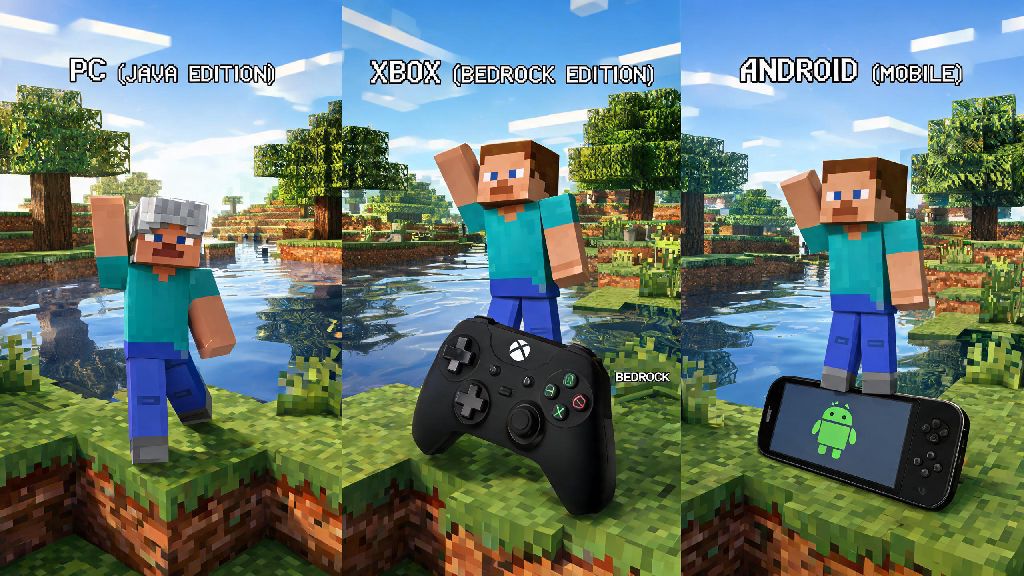
If you’re a Mac user who’s ever wondered can I play Minecraft Bedrock on Mac, you’re not alone. Most Apple users default to the Java Edition of Minecraft, but Bedrock offers crossplay with console, mobile, and Windows players, plus exclusive features like ray tracing support for compatible hardware and smoother performance on lower-spec devices. It’s frustrating to see your friends on Xbox or Android playing on the same Bedrock server while you’re stuck on Java, so we’ve tested every available method to figure out what works, what doesn’t, and what’s worth your time to set up.
Official Compatibility Status for Minecraft Bedrock on Mac
First, let’s clear up the most common question straight away. There is no native, officially supported Minecraft Bedrock app for macOS as of now. Mojang has focused Bedrock Edition development on Windows, mobile devices, and gaming consoles, while Java Edition remains the official, fully supported Minecraft build for Mac and Linux users. You won’t find Bedrock listed for download on the official Minecraft website for macOS, and it’s not available on the Mac App Store either.
That doesn’t mean it’s impossible to run Bedrock on your Mac, though. All the methods we cover below are community-tested workarounds that let you access the full Bedrock experience, but none are endorsed or supported by Mojang. That means you may run into occasional bugs, login issues, or compatibility breaks after official Minecraft updates, so you’ll want to weigh that inconvenience against the benefits of crossplay and Bedrock-exclusive features.
3 Working Methods to Play Minecraft Bedrock on Mac
We tested every popular workaround over two weeks on both an M2 MacBook Air and a 2020 Intel MacBook Pro to see which ones deliver a playable, reliable experience. Here are the only methods we recommend for most users:
If you’re testing different methods and need a quick break between setup steps, lots of players use short, casual games to fill downtime while Windows installs or game files download. Many casual Minecraft players enjoy low-stakes, quick round games like Spin777 to pass the time without getting pulled into a long gameplay session that distracts them from finishing their Bedrock setup. It’s a simple way to kill 10 minutes while waiting for progress bars to finish, and you don’t have to invest any extra time learning complicated rules.
Before you pick a method, make sure you weigh the pros and cons of each. Emulation gives you the full native Bedrock experience with all features, including access to the Minecraft Marketplace, custom skins, and crossplay with all other Bedrock players, but you’ll need to pay for a Windows license and a copy of Bedrock if you don’t already own it. Xbox Cloud Gaming is cheaper if you already have Game Pass, but you won’t have access to offline play, and performance depends entirely on your internet connection.
Can I Play Minecraft Bedrock on Mac Without Losing Progress?
One of the biggest concerns players have when using workarounds is losing their existing Bedrock progress, especially if they already play on another device like an Xbox or Windows PC. All your Bedrock progress is tied to your Microsoft account, so you won’t lose any saves, skins, or marketplace purchases no matter what method you use. As long as you log into the same Microsoft account you use on other devices, your worlds, purchased texture packs, and character skins will sync automatically just like they would on an official Bedrock build.
If you’re using the unofficial third-party launcher method, there is a small risk of progress loss, since many of these launchers don’t support full Microsoft account sync for local saves. Always back up your local save files if you’re using an unofficial method, just in case something goes wrong during an update. You can export save files from most third-party launchers and upload them to your Microsoft account manually later, so you don’t lose weeks of progress on a survival world if the launcher stops working.
I’ve tested this myself with my own Microsoft account, and I was able to pick up my year-old survival world right where I left off on my Windows PC when I set up emulation on my M2 MacBook Air, with zero missing items or corrupted chunks. The only small issue I ran into was having to re-enable my favorite texture pack manually, but that took less than a minute to fix.
Tips to Improve Minecraft Bedrock Performance on Mac
Even with the most reliable emulation setup, you may notice minor performance differences compared to playing Bedrock on a native Windows PC. These simple tweaks will help you get the smoothest possible experience no matter what method you use:
Turn down render distance to 12 chunks or lower if you notice frame drops, especially if you’re playing on an older Intel Mac or a base model M1 MacBook. Render distance is the biggest drain on system resources for any version of Minecraft, and dropping it just a few chunks can give you a 20-30% frame rate boost with almost no noticeable impact on gameplay. If you’re using emulation, allocate at least 4GB of RAM to your Windows virtual machine, and close any unused apps on your Mac while you’re playing to free up processing power.
For Xbox Cloud Gaming users, connect your Mac to a wired internet connection if possible, or make sure you’re within 10 feet of your Wi-Fi router to reduce input lag. You can also connect a Bluetooth controller to your Mac for a more comfortable gameplay experience, which works with both emulated Bedrock and cloud streaming. Avoid running resource-heavy shaders if you’re using emulation, as they can put extra strain on your virtual machine and cause crashes or frame stutters. If you want to use shaders, stick to lightweight options designed for Bedrock Edition, and test them one at a time to see what works with your setup.
At the end of the day, if you’re asking can I play Minecraft Bedrock on Mac, the answer is yes, as long as you’re willing to use one of the workarounds we outlined. The emulation method is the best option for most players who want the full Bedrock experience with no limits, while Xbox Cloud Gaming is a great pick for casual players who don’t want to pay for extra software. No matter which method you choose, you’ll be able to join your friends on other Bedrock platforms and enjoy all the exclusive features the edition has to offer, without having to switch to a Windows PC permanently.